


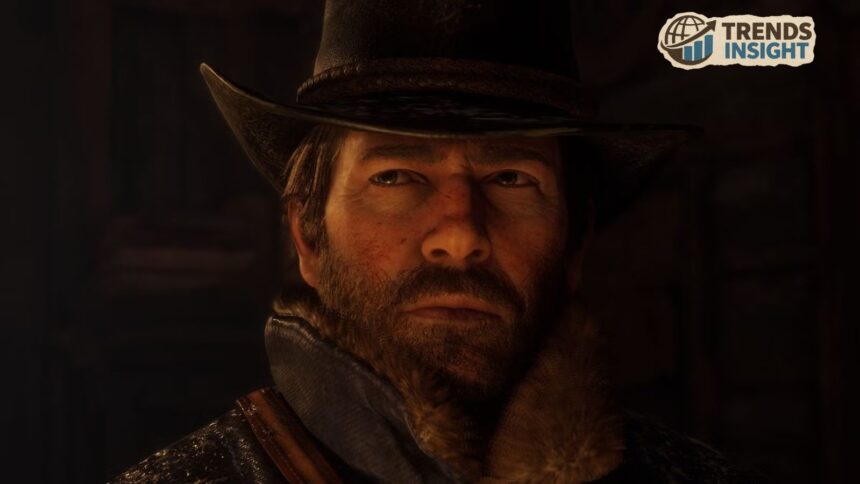
I still remember the first time I finished Red Dead Redemption 2. I sat there in the dark for a long time after the credits rolled, staring at the screen. I had played plenty of big games before—epic shooters, open-world adventures, stories with larger-than-life heroes. But nothing prepared me for Arthur Morgan.
- BIO
- Meeting Arthur Morgan
- The Flawed Hero Who Felt Real
- The Turning Point: Illness and Reflection
- Loyalty, Betrayal, and Redemption
- Why Arthur Morgan Raised the Bar
- Lessons That Stayed With Me
- The Lasting Impact on Gaming
- A Personal Reflection
- Jackie Jackson at 75: Celebrating a Lifetime of Talent and Grace
- FAQs
- Why is Arthur Morgan considered one of the best video game characters?
- Does Arthur Morgan’s honor level change the story ending?
- What makes Arthur Morgan’s journal so special?
- How did Arthur Morgan change perceptions of video game heroes?
- Is Red Dead Redemption 2 worth playing just for Arthur Morgan’s story?
He wasn’t just another protagonist. He felt like a real person whose life had weight, regret, and quiet dignity. Playing as him slowly shifted how I thought about video game heroes. The tough, invincible types I used to love started to feel hollow by comparison. Arthur showed me that true depth comes from flaws, choices, and humanity.
BIO
| Label | Information |
|---|---|
| Full Name | Arthur Morgan |
| Game | Red Dead Redemption 2 |
| Role | Protagonist & Outlaw |
| Gang | Van der Linde Gang |
| Voice Actor | Roger Clark |
| Birth Year | Around 1863 |
| Key Trait | Loyal but conflicted |
| Major Conflict | Tuberculosis diagnosis |
| Main Theme | Redemption |
| Honor System | Affects story & ending |
| Notable Relationship | John Marston & Mary Linton |
| Signature Item | Personal journal with drawings |
| Legacy | One of gaming’s greatest characters |
Meeting Arthur Morgan
When Red Dead Redemption 2 begins, Arthur Morgan rides with the Van der Linde gang as Dutch’s trusted right-hand man. He’s a seasoned outlaw—capable, loyal, and ruthless when he needs to be. Early on, he collects debts, robs trains, and does what the gang requires to survive.
At first glance, he fits the classic outlaw mold. Broad-shouldered, gruff voice, quick with a gun. Yet something felt different right away. His journal entries revealed a thoughtful man who sketched the world around him and reflected on his actions. He wasn’t just following orders blindly. He carried quiet doubts even in the early chapters.
Arthur’s backstory adds layers. Orphaned young, taken in by Dutch and Hosea at age 14, he found a family in the gang. He once had a son named Isaac and a woman he cared for, but loss hardened him. These details emerge gradually through conversations and writings, making his loyalty to the gang feel earned rather than assumed.
The Flawed Hero Who Felt Real
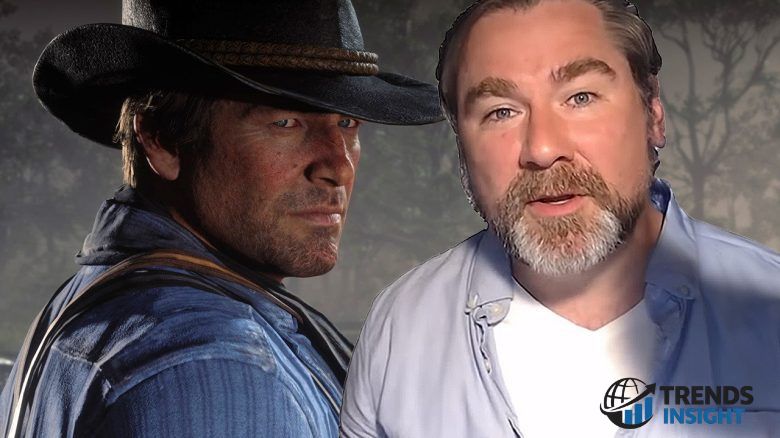
Before Arthur, many game heroes followed a familiar pattern. They were often unstoppable forces of good or charming rogues with hearts of gold. Think of the classic power fantasy—strong, confident, and rarely truly challenged on a personal level.
Arthur Morgan broke that mold completely. He is capable of great violence but also shows kindness to strangers, helps those in need, and wrestles with morality. The game’s honor system reflects this. Your choices shape how he speaks, how others see him, and even small details in the world.
High honor Arthur helps people and shows mercy. Low honor Arthur becomes colder and more brutal. Either path feels consistent because the character has enough depth to support both. That flexibility is rare. Most games force a single personality on their lead.
His relationships ground him further. His complicated history with Mary Linton reveals vulnerability and regret. His bond with John Marston evolves from brotherly friction to sacrificial love. And his growing disillusionment with Dutch forms the emotional core of the story.
The Turning Point: Illness and Reflection
Everything changes when Arthur learns he has tuberculosis. The diagnosis hits like a gut punch. Suddenly, this strong, capable man faces something he cannot fight with fists or guns. His time is limited, and he knows it.
This moment reframes the entire journey. Arthur starts looking back on his life with clearer eyes. He questions the gang’s direction and Dutch’s leadership. He wonders what kind of legacy he will leave. In conversations with a nun or through his journal, he admits his fears and failures openly.
One powerful scene has him speaking honestly about not being a good man but hoping there might still be something redeemable in him. These moments feel intimate and raw. They made me pause and think about my own choices, both in the game and outside it.
The journal becomes a window into his soul. Arthur sketches animals, landscapes, and people he meets. He writes about camp life, doubts, small joys, and deep regrets. Reading these entries feels personal, like discovering someone’s private thoughts. It humanizes him in a way few games achieve.
Loyalty, Betrayal, and Redemption
As the story progresses, the gang fractures under pressure from lawmen, rival outlaws, and changing times. The Wild West is dying, replaced by industrialization and government control. Arthur sees this shift clearly while Dutch clings to old dreams.
His loyalty to the gang—something he once valued above all—gets tested repeatedly. He risks everything to save John and his family, even as Dutch grows paranoid and erratic. The final chapters build to heartbreaking confrontations where Arthur must decide where his true loyalties lie.
In the end, his arc is about redemption. Not clean, Hollywood-style redemption, but the messy, imperfect kind that comes from trying to do right with the time you have left. Whether you play high or low honor, his final moments carry enormous weight. Watching the sunrise in a high-honor ending remains one of the most moving scenes in gaming.
Why Arthur Morgan Raised the Bar
Playing through his story made me realize how rare it is for a game protagonist to feel this complete. Roger Clark’s performance brings him to life with nuance—gruff one moment, gentle the next, always believable. The voice acting, animations, and writing work together seamlessly.
Arthur influenced how I see other characters. Modern games have strong leads, but few match his combination of strength and vulnerability. He isn’t invincible. He makes mistakes. He hurts people and gets hurt. Yet he keeps trying to be better. That struggle feels honest.
He also captures something larger about the era. The game shows the end of an age—the closing of the frontier, the loss of freedom, the clash between old ways and new realities. Arthur stands caught in the middle, trying to protect what he loves while knowing the world is changing.
Lessons That Stayed With Me
Arthur Morgan changed my expectations for storytelling in games. He proved that heroes don’t need to be flawless to be compelling. Sometimes the most memorable ones are those who acknowledge their darkness and still reach for light.
He taught me about loyalty and its limits. About how ideals can blind us and how hard it is to change course. About the quiet courage it takes to protect others when your own time is running out.
Even years later, I think about his journey. When I replay the game, I notice new details—small animations, journal updates, or dialogue variations based on honor. The world feels alive because Arthur feels alive within it.
For anyone who loves deep characters, Red Dead Redemption 2 is essential. Arthur isn’t just the protagonist. He carries the emotional heart of the entire experience. His story lingers because it’s about more than outlaws and shootouts. It’s about a man confronting who he is and who he wants to be.
The Lasting Impact on Gaming
Looking back, Arthur helped push video games toward more mature, character-driven narratives. Rockstar took a risk by making the lead complex and fallible rather than purely aspirational. The payoff was a protagonist many players still call one of the greatest in the medium.
He stands alongside other memorable figures but feels unique. His combination of physical presence, inner life, and player-shaped morality creates something special. You don’t just play as Arthur Morgan. You live alongside him for dozens of hours and watch him grow—or break—based on the path you choose.
That level of investment is powerful. It turns a game into something closer to literature or film while keeping the interactivity that makes gaming special.
A Personal Reflection
I went into Red Dead Redemption 2 expecting a fun Western adventure. I came out with a deeper appreciation for what games can achieve. Arthur Morgan reminded me that stories hit hardest when characters feel human.
He isn’t perfect, and that’s exactly why he matters. In a medium full of power fantasies, he offered something quieter and more profound: a mirror for our own struggles with loyalty, regret, and the desire to leave some good behind.
If you haven’t played the game yet, I envy you. Experiencing Arthur’s journey for the first time is something special. And if you have, you probably know exactly what I mean when I say he changed how I view video game heroes forever.
His story stays with you. The quiet moments by the campfire, the weight of his decisions, the beauty and brutality of the world he rides through. Arthur Morgan isn’t just a character in a game. For many of us, he became something more—a flawed man who taught us about what it means to try to be better.
Jackie Jackson at 75: Celebrating a Lifetime of Talent and Grace
FAQs
Why is Arthur Morgan considered one of the best video game characters?
Arthur Morgan stands out because of his emotional depth, moral complexity, and realistic personal growth. Unlike many flawless heroes, he struggles with loyalty, regret, and redemption, making him feel genuinely human.
Does Arthur Morgan’s honor level change the story ending?
Yes. Your choices affect his dialogue, relationships, and final moments. High honor leads to a peaceful, reflective death, while low honor creates a darker, more violent conclusion.
What makes Arthur Morgan’s journal so special?
The journal offers intimate insight into his thoughts, drawings, and reflections. It reveals his sensitive side and makes his journey feel deeply personal and authentic.
How did Arthur Morgan change perceptions of video game heroes?
He showed that protagonists don’t need to be invincible. His flaws, illness, and search for redemption raised the bar for character-driven storytelling in games.
Is Red Dead Redemption 2 worth playing just for Arthur Morgan’s story?
Absolutely. His arc carries the emotional heart of the game. Even if you’re not usually into Westerns, Arthur’s story delivers one of the most memorable experiences in gaming.