



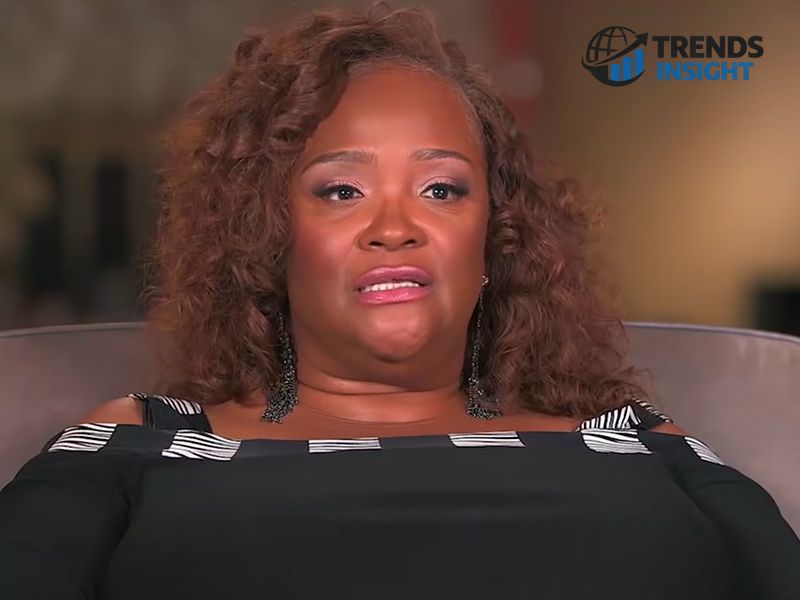
The summer of 2008 ended differently for most people than it did for Rhonda McCullough. While the world marked another warm August, she faced a silence that would reshape the rest of her life. On August 9, her husband of thirty-one years, Bernard Jeffrey McCullough, known to millions as Bernie Mac, passed away from complications related to pneumonia. The sarcoidosis that had weakened his lungs for decades had finally taken its toll.
For the public, it was the loss of a sharp, fearless comedian. For Rhonda McCullough, it was the end of a partnership that had begun when she was still a teenager. What followed was not a dramatic public performance of grief, but something quieter and more enduring. She chose to keep moving, to protect what they had built together, and to turn private pain into steady purpose.
This is the story of that quiet strength.
BIO
| Label | Information |
|---|---|
| Full Name | Rhonda McCullough |
| Also Known As | Rhonda McCullough-Gilmore |
| Born | June 21, 1958, Chicago, Illinois |
| Known For | Wife of Bernie Mac and foundation leader |
| Married Bernie Mac | 1977 (high school sweethearts) |
| Years Together | 31 years |
| Daughter | Je’Niece McCullough |
| Early Career | Worked as a nurse and family supporter |
| Bernie’s Passing | August 9, 2008 |
| Current Role | President and CEO, Bernie Mac Foundation |
| Main Focus | Sarcoidosis awareness and research |
| Other Work | Producer and author supporter |
| Remarried | Horace Gilmore in late 2010 |
A Partnership Built Long Before Fame
Rhonda McCullough and Bernie Mac met as high school students in Chicago in the mid-1970s. They married in 1977, when both were still young and the road ahead looked uncertain. Those early years were far from glamorous. While Bernie worked the comedy clubs and chased stages, Rhonda often carried the practical weight of the household. She trained and worked as a nurse. At times she was the family’s only steady income.
She stood beside him through lean seasons and the long climb toward recognition. Their daughter, Je’Niece, arrived, and the three of them formed a close unit. When success finally came—stand-up specials, television, film—Rhonda remained the private center of Bernie’s world. She was not the one seeking cameras or headlines. She was the one who kept the foundation of their life steady.
That long history of quiet support became the soil from which her later strength would grow. The woman who had already carried her family through uncertainty was the same woman who would one day have to carry their shared legacy alone.
The Day the World Changed
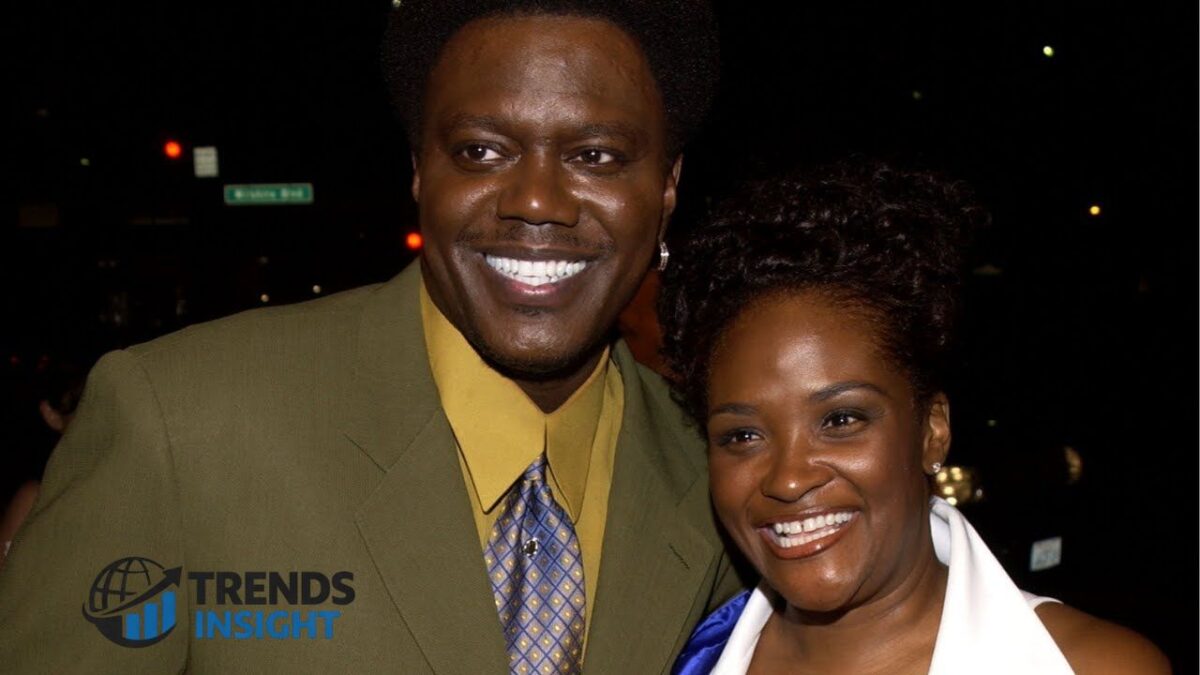
Bernie Mac had lived with sarcoidosis since 1983. The inflammatory disease left his lungs vulnerable, and over the years it required careful management. In early August 2008 he was hospitalized with breathing difficulties. What began as a serious but familiar crisis turned suddenly worse.
Rhonda McCullough later described the final hours with raw honesty. When she was finally allowed into the room, she saw him shaking, eyes wide. She pleaded with him. “Please don’t die,” she said. “I’m here. I’m waiting for you. I’ll take care of you. Just don’t die.” A short time later, he was gone at the age of fifty.
The loss was absolute. In interviews years afterward she admitted the depth of her disorientation. “That was my whole life, was him since I was sixteen,” she said. “I just didn’t know what I was going to do. What is my reasoning for being here now? What is my purpose?”
Those questions did not receive easy answers. The public mourning was intense and visible. Private mourning was something else entirely. Rhonda McCullough had to learn how to live in a house that no longer held his voice, how to protect their daughter, and how to manage an estate and a public memory that suddenly belonged to the world as much as to her.
Learning to Live in the Silence
The first years after 2008 were marked by a deliberate stepping back. Bernie had helped establish the Bernie Mac Foundation only a short time before his death, with a clear focus on sarcoidosis awareness and research. Continuing that work felt almost impossible at first. The cause was too closely tied to the man she had lost.
Rhonda McCullough allowed herself the space to grieve without forcing purpose too soon. She has spoken about how the pain of losing someone you love never fully disappears. Over time it becomes manageable because life continues and responsibilities remain. She focused on her daughter, on the practical matters that still required attention, and on simply putting one day after another.
This period of relative quiet is often overlooked in stories of public figures’ widows. Yet it may be the most revealing part of her journey. Strength does not always announce itself. Sometimes it looks like showing up for ordinary days when nothing feels ordinary. Sometimes it looks like refusing to disappear even when the spotlight has moved on.
Returning to Purpose
Roughly two years after Bernie’s death, Rhonda McCullough found her way back to the foundation. What had once felt too painful became a place where his intentions could continue. She stepped into the role of president and CEO and has remained there ever since.
The Bernie Mac Foundation, headquartered in Chicago, focuses on raising awareness of sarcoidosis, supporting research, and creating community for patients and families. Under her leadership the organization formed an important partnership with the University of Illinois Hospital and Health Sciences System. In 2012 that collaboration helped establish the Bernie Mac Sarcoidosis Translational Advanced Research Center, often called the STAR Center.
The center has expanded care for sarcoidosis patients in Chicago and contributed to clinical research. Rhonda McCullough and the foundation made a multi-year financial commitment to support the work. She has described the foundation as carrying everything Bernie was and everything he wanted. Letting it go was never an option once she was ready to return.
Her involvement extended beyond the foundation’s day-to-day operations. In 2011 she produced the documentary I Ain’t Scared of You: A Tribute to Bernie Mac. More recently she helped bring to publication the 2022 book I Don’t Care If You Like Me, I Like Me, drawn from Bernie’s voice and perspective, and she narrated the accompanying audiobook. These projects kept his humor and outlook present without turning them into spectacle.
Choosing a Private Second Chapter
In late 2010 Rhonda McCullough remarried. She and Horace Gilmore had both experienced the loss of a spouse. Their relationship began quietly, and she has chosen to keep much of that part of her life private. The decision to love again did not erase the decades she shared with Bernie. It simply allowed her a future that still honored the past.
This balance is rare and difficult. Public memory often wants widows to remain frozen in the role of mourning spouse. Rhonda McCullough declined that limited script. She continued the work connected to Bernie’s legacy while also permitting herself ordinary human happiness. The two choices were not in conflict. They were both expressions of a life still being lived.
The Strength That Does Not Need Applause
What stands out about Rhonda McCullough’s path is how little of it has been performed for an audience. She has given thoughtful interviews over the years, always measured and honest. She has shown up for foundation events, research partnerships, and awareness efforts. Yet she has never turned her grief into a brand or her resilience into a performance.
In one reflection she credited Bernie with helping her become her own woman. “It’s sad that you had to leave this earth for me to stand and shine,” she said, “but now I’m standing on my own now.” The statement holds both loss and hard-won independence.
Her example offers something useful to anyone who has faced deep loss. Grief does not follow a neat schedule. Purpose does not always arrive on demand. Sometimes the most meaningful work is the work that continues quietly, year after year, without requiring constant recognition. The Bernie Mac Foundation still operates under her leadership. Research into sarcoidosis continues. Families affected by the disease still find information and community through the efforts she has sustained.
None of this erases the absence. It simply refuses to let the absence be the only remaining story.
A Life Still Being Written
More than seventeen years have passed since that August day in 2008. Rhonda McCullough remains the president and CEO of the foundation she and Bernie began. She continues to protect and extend a legacy that began in Chicago classrooms and comedy clubs long before the rest of the world knew their names.
Her story is not one of dramatic reinvention or public triumph over sorrow. It is quieter than that. It is the story of a woman who had already spent decades as a partner, a nurse, a mother, and a steady presence, and who, when the ground shifted beneath her, kept standing. She allowed herself time. She returned to meaningful work when she was ready. She chose privacy where privacy served her. She kept faith with the past while making room for the present.
In a culture that often rewards the loudest expressions of emotion, Rhonda McCullough’s approach feels almost radical. Quiet strength does not trend. It does not demand constant attention. It simply endures, does the necessary work, and leaves the people and causes it serves better than it found them.
That is the strength she has shown since losing Bernie. And that is the strength still visible in the life she continues to build.
How to Order from the Chick Fil A Menu Breakfast
FAQs
Who is Rhonda McCullough?
Rhonda McCullough is the longtime wife of comedian Bernie Mac. They married in 1977 after meeting as high school sweethearts in Chicago. She worked as a nurse, supported their family through early struggles, and later became president and CEO of the Bernie Mac Foundation.
How did Rhonda McCullough cope after Bernie Mac’s death?
She faced deep personal loss in 2008 and initially stepped back from public work. Over time she returned to the foundation they had started, focusing on sarcoidosis awareness and research while protecting their daughter and choosing a quieter path forward.
What is the Bernie Mac Foundation?
It is a nonprofit dedicated to raising awareness of sarcoidosis, funding research, and supporting patients. Rhonda McCullough leads it as president and CEO, continuing the work Bernie began before his death.
Did Rhonda McCullough remarry?
Yes. She married Horace Gilmore in late 2010. She has kept that part of her life largely private while still honoring Bernie’s memory and leading the foundation.
What lasting impact has Rhonda McCullough made?
Through steady leadership she helped establish a major sarcoidosis research center, produced a tribute documentary, and supported a posthumous book of Bernie’s words. Her quiet persistence has kept both his legacy and the fight against sarcoidosis alive.