



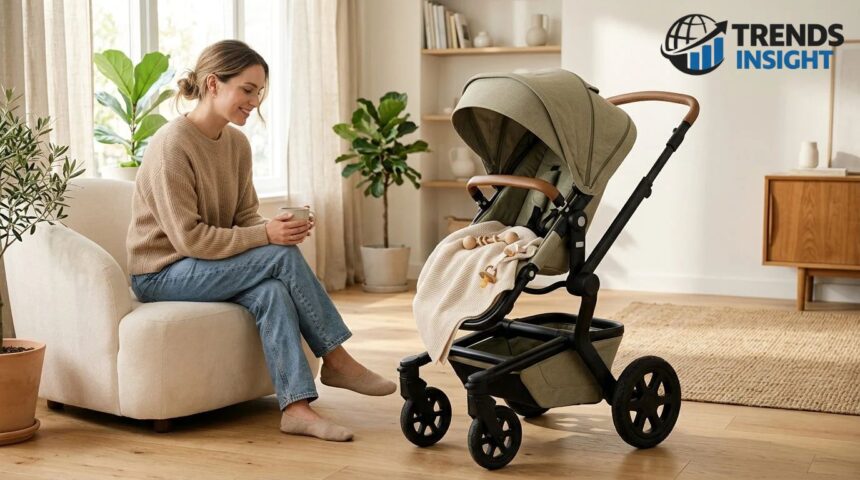
Choosing a baby stroller can feel surprisingly complicated. There are full-size models, lightweight strollers, travel systems, jogging strollers, double strollers, and compact designs, all promising to make life with a baby easier. The best choice, however, is not necessarily the stroller with the most features or the highest price.
- BIO
- Why Your Lifestyle Matters
- Start With Your Baby’s Age
- Choose the Right Stroller Type
- Put Safety First
- Think About Everyday Comfort
- Check Weight and Size
- Make Folding Easy
- Consider Storage
- Decide Which Features You Actually Need
- Set a Practical Budget
- Test Before You Buy
- Be Careful With Newborn Sleep
- Avoid Common Buying Mistakes
- Match the Stroller to Your Routine
- A Simple Final Checklist
- Conclusion
- How Strong Are Kangaroos Legs and What Makes Them Powerful?
- Frequently Asked Questions
- What should I consider first when choosing a baby stroller?
- What is the safest type of baby stroller?
- Can a newborn use a regular stroller?
- Is a lightweight stroller better?
- How important is a five-point harness?
- What should I avoid putting on a stroller handle?
- Can my baby sleep in a stroller?
- How long can a child use a stroller?
The real question is how to choose a baby stroller that works with your everyday life. Your transportation, home, neighborhood, travel habits, baby’s age, storage space, and personal preferences all matter. A stroller that works perfectly for a family living in a spacious suburban home may be frustrating for parents who use public transportation every day.
Safety should always come first, followed by comfort, practicality, durability, and convenience. The American Academy of Pediatrics recommends looking for features such as reliable brakes, a wide and stable base, and a five-point harness. The U.S. Consumer Product Safety Commission also has safety requirements covering areas such as stability, restraints, brakes, latching mechanisms, wheels, and folding mechanisms.
This guide explains what to consider so you can choose a stroller that genuinely fits your family’s routine rather than simply buying the most popular option.
BIO
| Label | Information |
|---|---|
| Topic | How to Choose a Baby Stroller |
| Main Purpose | Safe and easy baby transport |
| Best For | Newborns, infants, and toddlers |
| Key Factor | Match the stroller to your lifestyle |
| Safety | Five-point harness and reliable brakes |
| Comfort | Padded seat and adjustable recline |
| Stroller Types | Full-size, lightweight, jogging, and double |
| Portability | Easy folding and manageable weight |
| Storage | Useful basket for baby essentials |
| Durability | Strong frame and quality wheels |
| Budget | Choose based on needs and long-term use |
| Buying Tip | Test the stroller before purchasing |
Why Your Lifestyle Matters
A stroller is something you may use several times a day, so your lifestyle should influence your decision from the beginning.
Think about where you normally go with your baby. Do you walk around your neighborhood? Drive to shopping centers? Use buses or trains? Travel frequently? Spend weekends outdoors? Have limited storage at home?
These questions can quickly narrow your options.
For example, parents who mainly drive may appreciate a stroller that folds easily and fits comfortably in the trunk. Parents who walk long distances may prefer larger wheels, good suspension, and a comfortable seat. Someone living in a small apartment may value a lightweight, compact stroller more than a large storage basket.
The best stroller is the one that makes your normal routine easier.
Before shopping, write down your three most common stroller situations. This simple exercise can prevent you from paying for features you rarely use.
Start With Your Baby’s Age
Your baby’s age and developmental stage are among the most important factors to consider.
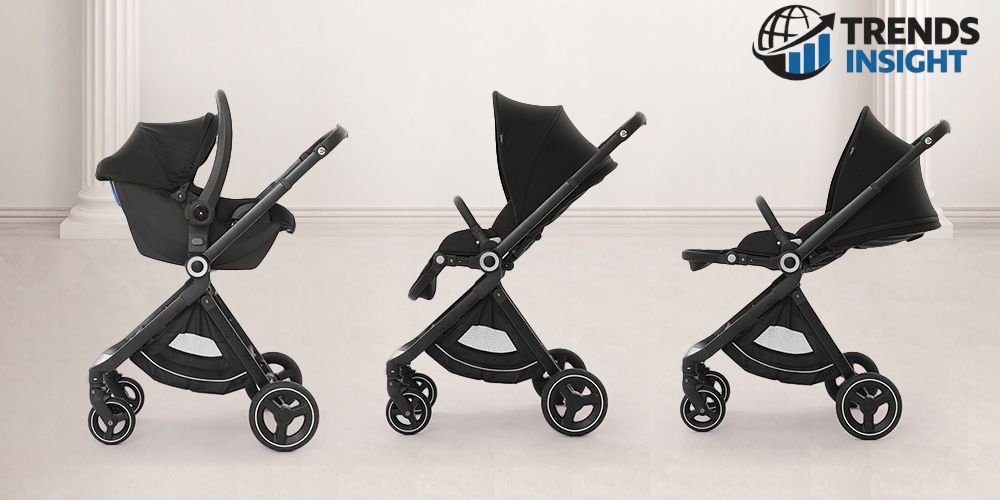
Newborns have different needs from older babies because they cannot independently control their head and neck. Some stroller seats are designed only for babies who can sit upright, while other models offer a suitable near-flat position or can be paired with a compatible bassinet.
Never assume that a stroller is suitable for a newborn simply because the seat reclines. Always check the manufacturer’s stated age, weight, height, and developmental requirements. Healthcare guidance also recommends choosing a stroller appropriate for the child’s age, height, and weight.
As your baby grows, you may want a stroller with an adjustable seat and a higher weight limit. A model that grows with your child can provide better long-term value, but only if its design remains practical throughout the stages you expect to use it.
Choose the Right Stroller Type
Different stroller designs are made for different lifestyles. Understanding the main categories makes the buying process much easier.
Full-Size Strollers
Full-size strollers are often designed for everyday use. They commonly provide a comfortable seat, larger storage area, adjustable recline, canopy coverage, and more substantial wheels.
They can be a good choice for parents who regularly take longer walks, shop with their baby, or want a stroller that feels sturdy and versatile.
The trade-off is size. A full-size stroller can be heavier and take up more room in a car or home.
Lightweight Strollers
Lightweight models are useful for parents who prioritize portability.
They can be easier to lift into a car, carry up stairs, or take on public transportation. They are also convenient for short trips and parents who do not want to push a large stroller everywhere.
However, lightweight does not automatically mean better. Check whether the seat, wheels, storage, and suspension provide what you need. A very compact stroller may sacrifice some comfort or stability for portability.
Jogging Strollers
Jogging strollers are designed for parents who want to combine stroller use with an active outdoor lifestyle.
They typically have larger wheels and features intended to provide smoother movement over certain outdoor surfaces. However, a jogging stroller can be unnecessarily bulky for parents who mostly walk through shopping centers or narrow sidewalks.
If you are considering one, pay close attention to the manufacturer’s guidance about when it is appropriate for your child’s age and developmental stage.
Double Strollers
Parents with twins or children close in age may need a double stroller.
Side-by-side designs can offer similar seating positions for both children, while tandem designs place one seat behind another. Each layout has advantages and disadvantages depending on doorways, elevators, storage areas, and maneuverability.
For a double stroller, stability and weight limits become especially important. The AAP advises parents using side-by-side twin strollers to ensure that the footrest extends across both seating areas to help prevent a child’s foot from becoming trapped.
Put Safety First
A stroller should look good and feel convenient, but safety should never be treated as an optional feature.
Start with the harness. A five-point harness includes straps around the shoulders, waist or hips, and between the legs. The AAP recommends using the harness whenever a child rides in a stroller.
Next, examine the brakes. They should be easy for you to operate and secure the stroller when it is stationary. The stroller should also have a stable, reasonably wide base that reduces the risk of tipping.
Check the folding mechanism carefully. Hinges and moving parts should operate smoothly, and the stroller should lock securely when opened. The CPSC identifies stability, brakes, restraints, latches, folding mechanisms, structural integrity, and wheels among the areas addressed by stroller safety requirements.
Keep your child away from the stroller while you are folding or unfolding it. Small fingers can be injured by moving hinges.
Also avoid hanging heavy bags from the handle. The AAP specifically warns that bags attached to stroller handles can make the stroller tip backward. Use the designated storage basket instead.
Think About Everyday Comfort
A stroller should be comfortable for your baby and manageable for you.
Look at the seat padding, recline positions, foot support, canopy, and ventilation. If you regularly spend a lot of time outdoors, a useful canopy can provide welcome protection from sun and changing weather.
The handlebar matters too. If two parents of different heights will use the stroller, an adjustable handlebar can make pushing more comfortable.
Pay attention to steering. A stroller can look excellent in a showroom but feel awkward when turning. If possible, push it with one hand, turn around corners, and test it on different surfaces.
A stroller that feels effortless to steer can make everyday outings much more enjoyable.
Check Weight and Size
Before buying, measure the places where your stroller will actually go.
Measure your car trunk. Measure the storage area in your home. If you live in an apartment, think about elevators, staircases, doorways, and hallways.
A stroller that barely fits into your storage area can quickly become frustrating.
Weight is equally important. A sturdy stroller may offer excellent features but become difficult if you frequently need to lift it. On the other hand, an extremely light stroller may not provide the durability or outdoor performance you need.
Try to find the right balance between portability, stability, and durability.
Make Folding Easy
Folding is one of those features that sounds minor until you use a stroller every day.
If you regularly travel by car, a simple folding system can save time. Parents using public transportation may also appreciate a stroller that can be folded and carried without too much effort.
Test the folding mechanism before purchasing. Do not rely only on promotional descriptions.
Ask yourself:
- Can I fold it without struggling?
- Can I lift it after folding?
- Does it fit my car?
- Does it stand securely when folded?
- Can I unfold it quickly while holding other baby essentials?
If the answers are mostly yes, the design is probably practical for your routine.
Consider Storage
Parents quickly discover that babies come with a surprising amount of equipment.
Diapers, wipes, spare clothes, feeding supplies, toys, and other essentials can fill a small bag quickly. A stroller with a useful lower basket can therefore be extremely convenient.
But storage should not come at the expense of stability.
Keep heavier items low and use the stroller’s intended storage areas. Avoid loading the handle with shopping bags or heavy diaper bags because added weight can affect balance. This is a safety point emphasized by both pediatric guidance and stroller safety organizations.
Decide Which Features You Actually Need
Modern strollers can include many extras, but more features do not automatically mean a better stroller.
Useful features may include a large basket, adjustable handlebar, good canopy, washable fabric, multiple recline positions, and a simple folding system.
Some parents may also value cup holders, parent organizers, snack trays, or compatible accessories.
The key is to distinguish between useful features and features that simply look impressive.
If you walk every day, wheel quality may matter more than a premium accessory. If you travel often, compact folding may matter more than a large basket. If you have limited storage, overall dimensions may matter more than additional compartments.
Set a Practical Budget
There is no universal amount that every family should spend on a stroller.
Instead, think about value.
A less expensive stroller can be perfectly suitable if it meets your safety requirements and fits your lifestyle. A more expensive stroller may be worthwhile if you use it frequently, need a particularly durable design, or want features that genuinely solve a daily problem.
Do not pay extra simply for appearance or branding.
Before buying, separate features into three categories: must-have, useful, and unnecessary. This makes it much easier to compare models without becoming distracted by long feature lists.
Test Before You Buy
If you have an opportunity to test a stroller in person, take it.
Push it forward and backward. Turn it around a corner. Test the brakes. Adjust the handlebar. Recline the seat. Fold it and unfold it. Check how much room it takes when folded.
Look closely at the harness and make sure you understand how it works.
If you drive regularly, put the folded stroller in your trunk if the retailer permits it. A stroller that looks compact in a store may feel much larger once you put it alongside your other belongings.
Testing can reveal problems that photographs and specifications cannot.
Be Careful With Newborn Sleep
One important point deserves special attention: a stroller should not be treated as a regular sleep space for a baby.
Babies can move into unsafe positions when asleep. The AAP has warned against allowing infants to sleep in strollers, particularly because of the risk associated with positioning and falls.
Current safe-sleep guidance also recommends moving a sleeping baby from a stroller or other sitting device to a firm, safe sleep surface as soon as possible.
If your baby falls asleep during a walk, keep the stroller supervised and follow the manufacturer’s instructions, but move the baby to an appropriate sleep surface when practical.
Avoid Common Buying Mistakes
One of the biggest mistakes is choosing a stroller based entirely on appearance.
A beautiful stroller may be too heavy for your lifestyle. A compact stroller may not provide enough support for your baby’s needs. A feature-packed model may take up more space than you have.
Another mistake is ignoring the manufacturer’s limits. Always follow the specified age, height, and weight requirements. The CPSC and pediatric safety guidance both emphasize following product requirements and using restraints correctly.
Buying secondhand without checking the product’s history is another potential problem. Used strollers should be inspected carefully for damage, missing parts, broken mechanisms, and recalls. JPMA recommends checking that secondhand juvenile products are complete, functional, and not recalled.
Match the Stroller to Your Routine
The easiest way to narrow down your choices is to imagine a normal week.
If you mostly drive and take short shopping trips, a compact stroller may be ideal.
If you walk several miles each week, prioritize comfortable steering, wheels, suspension, and a supportive seat.
If you frequently use public transportation, look for a model that is easy to fold and carry.
If you travel often, portability should be high on your list.
If you have twins or two young children, focus on a double stroller with appropriate weight limits, good stability, and manageable dimensions.
If you live in a small home, compact storage may be more valuable than a large frame.
Your lifestyle should determine the stroller—not the other way around.
A Simple Final Checklist
Before making your purchase, review these points:
- Safety: Does it have a secure harness, reliable brakes, and good stability?
- Baby’s needs: Is it appropriate for your baby’s age, height, weight, and development?
- Comfort: Does the seat provide suitable support and adjustment?
- Weight: Can you comfortably lift and carry it?
- Size: Will it fit your home, car, and usual destinations?
- Folding: Can you fold and unfold it easily?
- Storage: Does it provide enough space for your essentials?
- Durability: Does the construction seem suitable for your expected use?
- Budget: Are you paying for useful features rather than unnecessary extras?
- Lifestyle: Does it make your everyday routine easier?
Conclusion
Learning how to choose a baby stroller becomes much easier when you stop looking for the “perfect” stroller and start looking for the right stroller for your family.
Consider your baby’s age and developmental needs first. Then think about how you travel, where you walk, how much storage you have, how often you will fold the stroller, and how much weight you are comfortable carrying.
Most importantly, prioritize safety. A secure five-point harness, dependable brakes, stable construction, proper locking mechanisms, and adherence to manufacturer limits should matter more than color, appearance, or unnecessary accessories. Guidance from the American Academy of Pediatrics and the U.S. Consumer Product Safety Commission supports these basic safety priorities.
The right stroller should fit naturally into your day. When your stroller matches your lifestyle, it becomes more than baby equipment—it becomes a practical part of everyday family life.
How Strong Are Kangaroos Legs and What Makes Them Powerful?
Frequently Asked Questions
What should I consider first when choosing a baby stroller?
Start with your baby’s age, height, weight, and developmental stage. Then consider your lifestyle, transportation, storage space, and how often you expect to use the stroller.
What is the safest type of baby stroller?
There is no single stroller type that is safest for every family. Look for a stable design, effective brakes, a properly functioning restraint system, secure locking mechanisms, and compliance with applicable safety requirements. The AAP recommends a five-point harness and a wide, stable base.
Can a newborn use a regular stroller?
Only if the stroller is specifically designed for newborn use according to the manufacturer’s instructions. Some stroller seats are intended for older babies who can sit independently, while others provide a suitable reclined position or compatible newborn configuration.
Is a lightweight stroller better?
A lightweight stroller can be excellent for parents who travel, use public transportation, or frequently lift the stroller. However, a heavier stroller may offer advantages in storage, comfort, suspension, and durability. The best choice depends on your routine.
How important is a five-point harness?
It is very important. A five-point harness helps keep the child properly positioned and restrained. The AAP recommends using the harness whenever a child rides in a stroller.
What should I avoid putting on a stroller handle?
Avoid hanging heavy bags, purses, or shopping bags from the handle. Added weight can affect the stroller’s balance and increase the risk of tipping. Use the designated storage basket whenever possible.
Can my baby sleep in a stroller?
A stroller should not be used as a regular or unattended sleep environment. If your baby falls asleep during an outing, follow the manufacturer’s safety guidance and move the baby to a suitable, firm sleep surface as soon as practical.
How long can a child use a stroller?
It depends on the particular stroller and the manufacturer’s age, height, and weight limits. Many traditional strollers are designed for infancy through the toddler years, but the exact limits vary. Always follow the product’s instructions and discontinue use when your child reaches the stated limits.