



Introduction
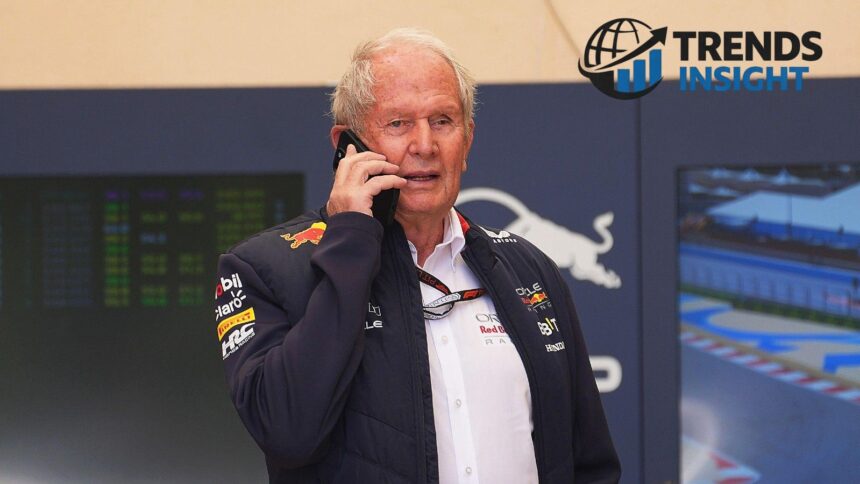
In modern Formula 1, success is rarely built on speed alone. Behind every dominant team lies a network of decisions, strategies, and personalities that shape its trajectory. Few figures embody this truth better than Helmut Marko, the Austrian advisor who has played a defining role in Red Bull Racing’s rise to the top of the sport.
- Introduction
- BIO
- Who Is Helmut Marko?
- Helmut Marko’s Role at Red Bull Racing
- The Mastermind Behind Red Bull’s Driver Program
- Leadership Style: Tough and Results-Driven
- Key Decisions That Shaped Red Bull’s Success
- Controversies and Criticism
- Helmut Marko’s Impact on Red Bull’s Dominance
- The Future: What Lies Ahead for Helmut Marko?
- Lessons From Helmut Marko’s Approach
- Conclusion
- Zac Efron Before and After: A Surprising Transformation
- FAQs
While drivers like Max Verstappen and Sebastian Vettel often take the spotlight, Marko has been one of the most influential minds working behind the scenes. His approach to talent development, his uncompromising leadership style, and his willingness to take risks have helped transform Red Bull from a newcomer into a powerhouse in Formula 1.
This article takes a deep look at Helmut Marko’s life, his role within Red Bull Racing, and how his decisions continue to shape the future of the team and the sport itself.
BIO
| Label | Information |
|---|---|
| Full Name | Helmut Marko |
| Date of Birth | April 27, 1943 |
| Birthplace | Graz, Austria |
| Nationality | Austrian |
| Profession | Motorsport Advisor, Former Racing Driver |
| Education | Doctorate in Law |
| Racing Highlight | Winner of 24 Hours of Le Mans (1971) |
| F1 Career End | 1972 due to eye injury |
| Current Role | Advisor at Red Bull Racing |
| Key Responsibility | Driver development and talent scouting |
| Known For | Red Bull Junior Team and bold decisions |
| Famous Drivers | Sebastian Vettel, Max Verstappen |
Who Is Helmut Marko?
Helmut Marko was born in Graz, Austria, in 1943 and initially pursued academics alongside motorsport. He earned a doctorate in law before fully committing to racing, a rare combination that hints at the analytical mindset he would later bring to team management. (Wikipedia)
His racing career quickly gained momentum in endurance competitions. Marko achieved one of his biggest successes by winning the prestigious 24 Hours of Le Mans in 1971, a milestone that placed him among the elite drivers of his era.
However, his Formula 1 career was cut tragically short in 1972. During the French Grand Prix, a piece of debris struck his visor, leaving him permanently blind in one eye. The injury forced him to retire from racing at just 29 years old.
Rather than stepping away from motorsport entirely, Marko transitioned into management. This shift would prove far more impactful than his driving career, setting the stage for his long-term influence in Formula 1.
Helmut Marko’s Role at Red Bull Racing
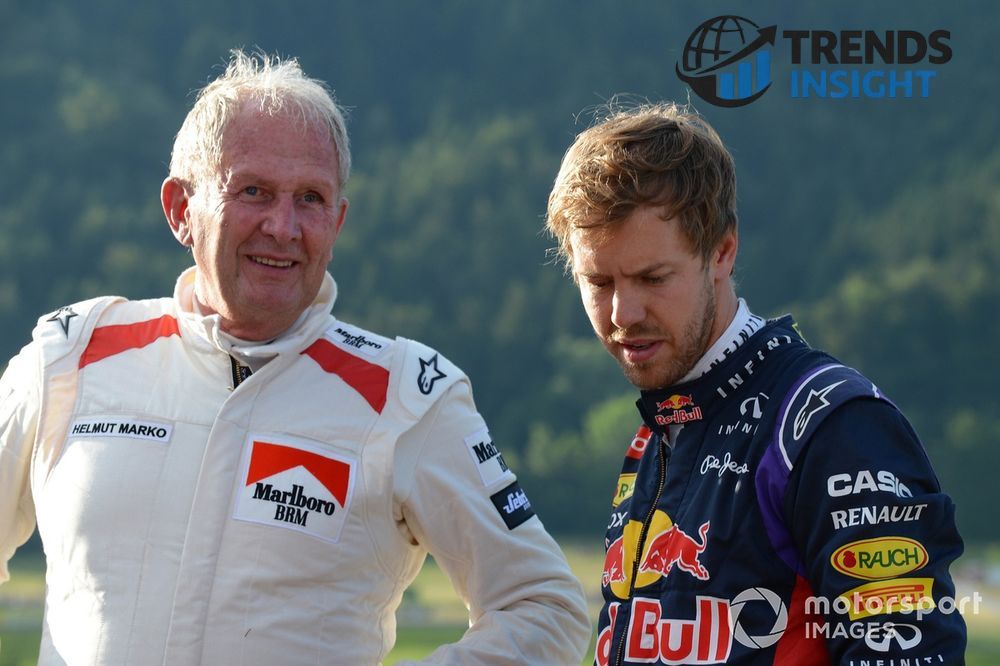
Helmut Marko is best known for his position as a senior advisor within Red Bull’s Formula 1 operations. Since the mid-2000s, he has worked closely with the team’s leadership, playing a critical role in shaping decisions both on and off the track.
His responsibilities extend far beyond a typical advisory role. Marko oversees driver selection, evaluates talent, and plays a central part in long-term strategic planning. He has also been deeply involved in Red Bull’s second team, which has served as a development ground for young drivers entering Formula 1.
Over more than two decades, Marko has helped guide Red Bull to multiple Constructors’ Championships, cementing the team’s place among Formula 1’s elite.
What makes his role unique is the level of influence he holds despite not being a team principal. Many key decisions, especially those related to drivers, carry his imprint.
The Mastermind Behind Red Bull’s Driver Program
One of Helmut Marko’s most significant contributions to Formula 1 is the creation and development of the Red Bull Junior Team. Originally built from his own racing organization in the 1980s, the program became a structured pipeline for young talent under Red Bull’s banner.
The philosophy behind the program is simple but demanding. Identify promising young drivers early, invest in their development, and push them into Formula 1 as quickly as possible. This system has produced some of the sport’s biggest stars.
Among the most notable success stories are Sebastian Vettel and Max Verstappen. Both drivers went on to win multiple world championships, validating Marko’s ability to spot and nurture elite talent.
However, the program is also known for its unforgiving nature. Drivers who fail to meet expectations are often replaced quickly, creating a high-pressure environment. Critics have described it as one of the toughest systems in motorsport, but its results are difficult to argue against.
Through this program, Marko has fundamentally changed how teams approach driver development in Formula 1.
Leadership Style: Tough and Results-Driven
Helmut Marko’s leadership style is often described as direct, uncompromising, and focused entirely on performance. He is known for making decisions based on results rather than sentiment, a trait that has earned him both respect and criticism.
Within the paddock, Marko has a reputation for being blunt in interviews and unafraid to voice strong opinions. This approach can create tension, but it also reflects his commitment to maintaining high standards.
Drivers under his system understand that opportunities are earned, not guaranteed. This mindset has pushed many to perform at their best, even under intense pressure.
Compared to other figures in Formula 1, Marko stands out for his willingness to take risks. Promoting young drivers quickly, making mid-season changes, and backing unconventional choices are all part of his approach.
While not universally admired, his leadership style has undeniably contributed to Red Bull’s competitive edge.
Key Decisions That Shaped Red Bull’s Success
Helmut Marko’s influence can be seen in several defining moments in Red Bull Racing’s history.
One of the most important decisions was the early signing and promotion of Max Verstappen. At just 17 years old, Verstappen was brought into Formula 1 through Red Bull’s system and quickly elevated to the main team. He went on to win his debut race with Red Bull, becoming the youngest Grand Prix winner in history.
Similarly, Marko played a key role in developing Sebastian Vettel, who delivered four consecutive world championships for Red Bull between 2010 and 2013.
These decisions highlight Marko’s ability to recognize potential before it becomes obvious. His willingness to act on that belief, even when it involves significant risk, has been a cornerstone of Red Bull’s strategy.
Beyond driver choices, Marko has also influenced the broader direction of the team, helping align its long-term goals with its competitive ambitions.
Controversies and Criticism
Helmut Marko’s career has not been without controversy. His outspoken nature has often placed him at the center of media attention.
At times, his comments about drivers have sparked backlash, with critics arguing that his tone can be overly harsh or insensitive. In one notable instance, remarks about a driver’s background led to widespread criticism and required a public apology.
Internally, Marko has also been involved in power struggles within Red Bull’s leadership structure. These situations have highlighted the complex dynamics behind one of Formula 1’s most successful teams.
Despite these controversies, Marko has remained a central figure in Red Bull’s operations. His results and influence have often outweighed the criticism he faces.
For many observers, he represents a polarizing figure: both a visionary strategist and a controversial personality.
Helmut Marko’s Impact on Red Bull’s Dominance
Red Bull Racing’s recent success, particularly during the Verstappen era, cannot be separated from Helmut Marko’s influence.
From 2021 onward, Verstappen secured multiple consecutive world championships, solidifying Red Bull’s position at the top of Formula 1.
Marko’s role in this success lies in his long-term planning. By investing in young talent and building a strong development system, he ensured that Red Bull always had competitive drivers ready to step up.
His collaboration with engineers, team principals, and management has also helped maintain a balance between technical innovation and driver performance.
Even as Formula 1 evolves with new regulations and increasing competition, Marko’s strategic mindset continues to play a crucial role in keeping Red Bull ahead.
The Future: What Lies Ahead for Helmut Marko?
As Helmut Marko enters the later stages of his career, questions about the future naturally arise.
After more than two decades with Red Bull, it has been confirmed that he will step down from his advisory role, marking the end of a significant era for the team.
His departure raises important questions about succession. Can Red Bull maintain its unique approach without him? Will the driver development program continue to operate with the same intensity?
There is also the broader question of legacy. Marko’s influence extends beyond Red Bull, having shaped the careers of numerous drivers and influenced how teams approach talent development.
While his direct involvement may decrease, the systems and philosophies he established are likely to remain part of Red Bull’s identity for years to come.
Lessons From Helmut Marko’s Approach
Helmut Marko’s career offers several lessons that extend beyond motorsport.
First, the importance of investing in young talent. By identifying potential early and providing the right opportunities, long-term success becomes more achievable.
Second, the value of decisive leadership. Marko’s willingness to make tough decisions, even when unpopular, has been a key factor in Red Bull’s achievements.
Third, the balance between risk and reward. Many of his most successful moves involved significant uncertainty, but they ultimately paid off.
Finally, the idea that success is built over time. Marko’s impact on Red Bull was not immediate but developed through years of consistent effort and strategic thinking.
Conclusion
Helmut Marko remains one of the most influential and complex figures in Formula 1. From his early days as a racing driver to his role as a senior advisor at Red Bull Racing, his journey has been marked by resilience, ambition, and a relentless focus on success.
His ability to identify talent, make bold decisions, and shape the direction of a team has helped Red Bull become one of the dominant forces in modern Formula 1.
Whether viewed as a visionary leader or a controversial strategist, there is little doubt that Helmut Marko has left a lasting mark on the sport.
As Formula 1 moves into a new era, his legacy will continue to influence how teams think, compete, and build for the future.
Zac Efron Before and After: A Surprising Transformation
FAQs
Who is Helmut Marko in Formula 1?
Helmut Marko is an Austrian motorsport advisor best known for his role at Red Bull Racing. He oversees driver development and plays a key part in shaping the team’s long-term strategy.
What does Helmut Marko do at Red Bull Racing?
He manages the Red Bull Junior Team, scouts young talent, and helps make major decisions about drivers. His influence extends to both Red Bull Racing and its sister team.
Why is Helmut Marko considered controversial?
Marko is known for his direct and often blunt opinions. His public comments and strict approach to driver performance have sometimes led to criticism and media attention.
Which drivers were discovered by Helmut Marko?
He played a major role in developing top drivers like Sebastian Vettel and Max Verstappen. Both went on to become world champions under Red Bull.
What is Helmut Marko’s impact on Red Bull’s success?
His talent-spotting skills and bold decisions helped build Red Bull into a dominant team. His long-term vision continues to influence their success in Formula 1.