


Shopping for electronics, appliances, or gadgets often comes down to a simple question. Do you head to Best Buy or stick with pure online retailers? The sticker price is only part of the story. Shipping, returns, warranties, taxes, and time all affect what you actually spend. This comparison looks at the real numbers and everyday experiences so you can decide which route leaves more money in your pocket.
Understanding the Two Options
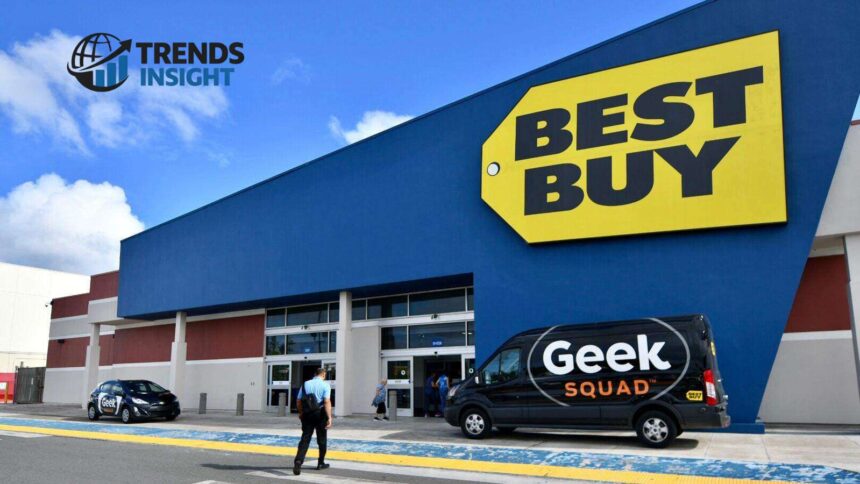
Best Buy operates both physical stores and a full online site with app support. You can research online, check stock at a nearby location, and either pick up the same day or have it delivered. Pure online-only shopping means retailers without brick-and-mortar stores, such as many marketplace sellers or direct-to-consumer sites. Amazon often sits in the middle because it has both its own inventory and third-party sellers, but the core idea of “online only” focuses on purchases that never involve walking into a store.
The difference matters because Best Buy’s physical presence creates options that pure online shopping cannot match. Same-day pickup eliminates shipping delays and fees. In-store returns remove the hassle of packaging and drop-off. Open-box inventory and floor models create discounts that rarely appear the same way online.
Base Prices and Everyday Deals

Online retailers frequently advertise lower base prices. Flash sales, lightning deals, and aggressive competition keep many items cheaper on paper. Best Buy has closed much of that gap in recent years through competitive pricing and a solid price-match policy.
Best Buy matches the current price of qualified competitors on identical new items that are in stock and available immediately. Qualified competitors include major names like Amazon when the item is sold and shipped by Amazon itself, plus Walmart and Target. Third-party marketplace listings usually do not qualify. Clearance, open-box, and certain special sales events also fall outside the match.
This policy means you can often get the lower online price while still buying from Best Buy. The catch is that you need to request the match, and it must meet the exact criteria. For many shoppers the process is straightforward through chat or in store. Once matched, you gain the lower price plus Best Buy’s return flexibility and support options.
Shipping, Pickup, and Delivery Costs
Shipping is where pure online shopping often loses ground. Free shipping usually requires a minimum order or a paid membership. Heavy items such as TVs, monitors, or appliances can still incur fees or long delivery windows. Damaged packages during transit create extra headaches.
Best Buy offers free in-store pickup on most items. You order online, drive to the store, and walk out the same day in many cases. No shipping cost. No waiting for a delivery window. For people who need the product quickly or live near a store, this removes an entire line item from the total cost.
Paid memberships change the equation. My Best Buy Plus currently runs about $30 per year and includes free two-day shipping on eligible orders. The higher Total tier adds more protection and support for a larger annual fee. Online-only shoppers who already pay for a competing membership may not notice the difference. Those without a membership often end up paying shipping or waiting longer.
Returns and the True Cost of Buyer’s Remorse
Returns reveal one of the clearest differences. Best Buy gives most customers 15 days to return new items. Members with Plus or Total status get 60 days on most products. Activatable devices such as phones sit at 14 days for everyone. You can return to any store, which avoids shipping labels and carrier trips.
Online returns vary. Many major sites offer 30 days, and some provide free return shipping on eligible items. Others deduct return shipping from the refund or charge restocking fees on certain categories. Large or heavy electronics can cost $20 to $50 or more to ship back. Time spent packaging and dropping off the item adds an invisible cost.
If you return items even occasionally, the convenience of walking into a Best Buy store often outweighs a slightly lower online price. The longer member window also helps when you need extra time to test a product.
Open-Box and Clearance Opportunities
Open-box inventory is one of Best Buy’s strongest advantages. These items are customer returns or display models that have been inspected and graded. Conditions typically range from Excellent to Fair. Excellent items look nearly new and often include original packaging and accessories. Good and Fair grades show more cosmetic wear but remain fully functional.
Discounts commonly fall between 10 and 40 percent off the regular price, sometimes more on larger appliances or older models. Because the items sit in a local store, you can inspect them in person before buying. That reduces the risk that comes with buying a used or returned product online sight unseen.
Online retailers offer refurbished or renewed items, yet the grading systems and return experiences differ. Best Buy’s open-box selection gives shoppers a chance to see the exact unit and still benefit from store return policies. For many people the savings on a high-quality open-box TV or laptop beat the lowest new online price after shipping and risk are factored in.
Warranties, Protection, and Long-Term Value
Manufacturer warranties apply regardless of where you buy. The difference appears in extended protection and support. Best Buy’s Geek Squad offers in-store and remote help. Membership tiers can include product protection that covers failures beyond the manufacturer window, sometimes with service fees based on the original price.
Online protection plans exist, yet claiming them usually means shipping the product out and waiting. Best Buy’s physical locations make drop-off and pickup simpler for many repairs. The higher membership tiers bundle protection with tech support, which can justify the annual cost for frequent buyers of expensive electronics.
Taxes and Location Factors
Sales tax depends on your location and whether the retailer has a presence in your state. Best Buy collects tax at the local rate for in-store and many online purchases. Pure online sellers follow similar rules in most cases today. The difference is rarely large enough to decide the purchase on its own, but it still belongs in the total cost calculation.
Fuel and time also matter. Driving to a store costs money and minutes. Waiting several days for a delivery costs patience and sometimes productivity. The better choice depends on how close you live to a Best Buy and how urgently you need the item.
When Best Buy Usually Wins
Best Buy tends to save more money when you need the product the same day, want easy returns, or can take advantage of open-box inventory. High-ticket items that qualify for price matching work well because you capture the lower price while keeping store benefits. Shoppers who already hold a paid membership gain free shipping and longer return windows that tip the scales further.
Large appliances and TVs often favor Best Buy. Delivery and installation options, combined with the ability to inspect open-box units, reduce risk and sometimes total cost. People who value hands-on help from store staff also lean this direction.
When Pure Online Shopping Wins
Online-only retailers pull ahead on everyday lower base prices, especially for smaller accessories, niche products, or items rarely stocked in local stores. Aggressive flash sales and wider selection can create savings that Best Buy cannot match even with price matching. Shoppers who already pay for a competing membership and rarely return items often find the pure online route simpler and cheaper.
If you live far from a store or dislike driving, the convenience of doorstep delivery may outweigh other factors. Just remember to calculate return shipping risk into the final number.
Hidden Costs Worth Watching
Restocking fees, return shipping, and time spent resolving problems add up. Fuel for store trips and opportunity cost of delayed delivery also count. Membership fees only pay off if you use the benefits enough times in a year. Open-box items that look perfect online can disappoint if the condition grade is optimistic, so in-person inspection helps.
Price-match exclusions around major sales events and marketplace listings can surprise shoppers. Always confirm the exact terms before assuming a match will go through.
Practical Ways to Maximize Savings
Research the lowest current price first, then check whether Best Buy will match it. Look at open-box inventory both online and in store. Compare the total landed cost, including tax, shipping or fuel, and any protection plan you plan to buy. Time major purchases around known sales periods when competition is fiercest.
If you shop electronics several times a year, test a paid membership for one cycle and track whether the shipping, returns, and exclusive deals cover the fee. Keep receipts and order details organized so price adjustments and returns stay simple.
Real-World Thinking
Consider a mid-range laptop. The online price might sit $40 lower. After shipping and the risk of a return that costs time and possible fees, the gap narrows or disappears. An open-box unit at Best Buy in Excellent condition might undercut both while letting you test it immediately. A large television follows a similar pattern. Delivery fees, potential damage in transit, and the ability to see the picture quality in person often favor the store option once everything is added up.
Small accessories usually favor pure online shopping. The base price difference is larger relative to the item cost, and shipping is cheap or free.
Final Takeaway
Neither option wins every time. Best Buy often delivers lower total cost when speed, returns, open-box deals, or price matching come into play. Pure online shopping wins on raw base price and selection for many everyday purchases. The smartest approach is to treat every purchase as a short calculation: sticker price plus shipping or fuel, plus return risk, plus any protection or membership value.
Run those numbers on your next buy. The channel that looks more expensive on the product page can easily become the cheaper choice once the full picture appears. That habit, more than any single retailer, is what actually saves money over time.
Elizabeth Huberdeau: Life Beyond the WWE Spotlight
FAQs
Does Best Buy price match Amazon?
Yes, Best Buy matches the current price of identical new items sold and shipped by Amazon itself, along with other qualified competitors like Walmart and Target. Marketplace third-party listings and open-box items usually do not qualify. You can request the match online or in store.
Is buying open-box at Best Buy worth it?
Open-box items are inspected returns or display models graded by condition. Many shoppers save 10–40% while still getting a working product and store return options. Inspecting the item in person helps confirm the condition matches the grade.
Which is easier for returns, Best Buy or online only?
Best Buy lets you return most items to any store, often within 15 days (or 60 days with a paid membership). Online returns can require packaging and shipping, which sometimes costs extra or takes longer. Store drop-off is usually simpler for many people.
Do I still save money at Best Buy if I never visit a store?
You can still use price matching, free shipping with a membership, and online open-box deals. However, the biggest advantages—same-day pickup and easy in-person returns—only apply when you use the physical locations.
How does a My Best Buy membership affect the comparison?
The free tier offers basic rewards. Paid Plus membership (around $30 a year) adds free two-day shipping and 60-day returns on most items. The higher Total tier includes extra product protection and support. These perks can tip the total cost in Best Buy’s favor if you shop there regularly.