



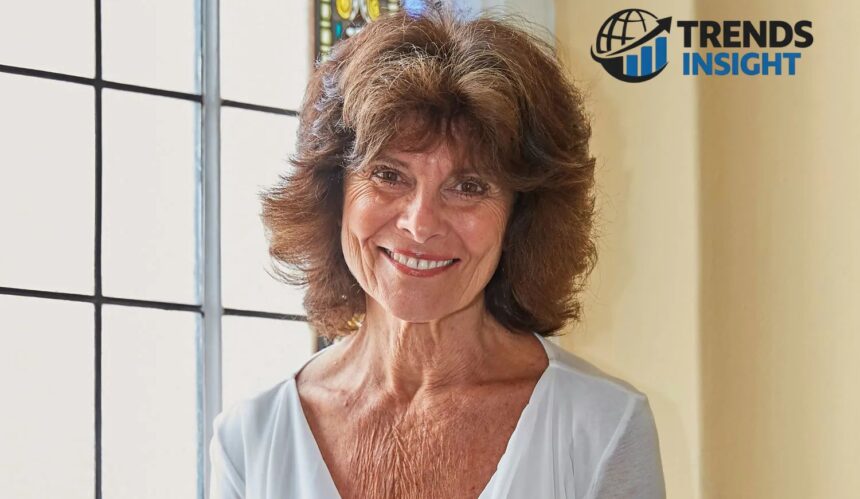
Adrienne Barbeau has built a career that is difficult to place in just one category. Over several decades, she has worked on Broadway, starred in successful television series, appeared in memorable films, developed a respected voice-acting career, and written books. Different generations know her for different roles, which says a great deal about the range and longevity of her work.
- BIO
- Who Is Adrienne Barbeau?
- A Strong Start on Broadway
- Television Fame With Maude
- The Move Into Film
- Memorable Horror and Cult Film Roles
- Success Beyond Horror
- A Distinctive Voice-Acting Career
- Writing and Other Creative Work
- Personal Life and Life Away From Roles
- Awards and Career Recognition
- The Lasting Legacy of Adrienne Barbeau
- Interesting Facts About Adrienne Barbeau
- Why Her Career Still Matters
- Conclusion
- Alice Kim: 10 Interesting Facts About Her Life and Career
- Frequently Asked Questions
Some audiences remember her as Carol Traynor from the classic sitcom Maude. Theater fans recognize her as the original Rizzo in the Broadway production of Grease. Horror and science-fiction audiences know her from films such as The Fog, Escape from New York, Creepshow, and Swamp Thing. Younger animation fans may know her distinctive voice as Catwoman in Batman: The Animated Series.
This wide-ranging career is the reason Adrienne Barbeau has remained a familiar and respected name in entertainment. Her story is not simply about one breakthrough role. It is about adapting to new opportunities, moving between different mediums, and continuing to find creative work throughout changing eras of the industry.
BIO
| Label | Information |
|---|---|
| Full Name | Adrienne Jo Barbeau |
| Known As | Adrienne Barbeau |
| Date of Birth | June 11, 1945 |
| Birthplace | Sacramento, California, USA |
| Nationality | American |
| Profession | Actress, author, singer, and voice performer |
| Career Start | Began her professional entertainment career in the 1960s |
| Broadway Fame | Played Rizzo in the original Grease |
| Famous TV Role | Carol Traynor in Maude |
| Notable Films | The Fog, Creepshow, Swamp Thing, and Escape from New York |
| Voice Role | Catwoman in Batman: The Animated Series |
| Major Recognition | Tony Award nominee and Theatre World Award recipient |
| Legacy | Known for a versatile career across theater, TV, film, and voice acting |
Who Is Adrienne Barbeau?
Adrienne Jo Barbeau was born on June 11, 1945, in Sacramento, California. She became interested in performance early in life and began building experience in musical theater before becoming widely known on television and in films.
Her professional journey began with live performance, including work with the San Jose Civic Light Opera. After finishing high school, she traveled with a musical comedy revue that performed for American service members at military bases in Southeast Asia. Those early experiences gave her valuable time onstage and helped shape the confidence required for a long career in entertainment.
In the mid-1960s, Barbeau moved to New York City, where her career took an important step forward. She joined the Broadway production of Fiddler on the Roof and played Hodel, one of Tevye’s daughters. Broadway exposed her to a larger audience and placed her among the working performers of New York’s theater world.
At this stage, however, the path ahead was far from predictable. Adrienne Barbeau would eventually become associated with comedy, drama, horror, science fiction, animation, and writing. That variety became one of the strongest features of her professional identity.
A Strong Start on Broadway
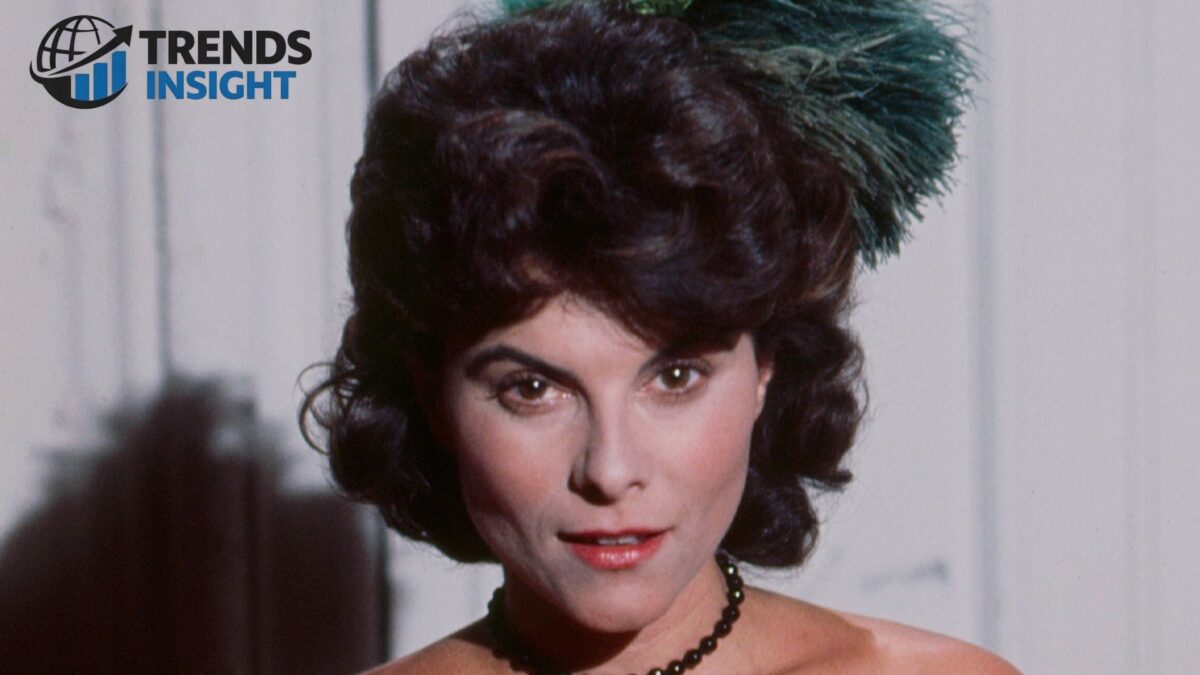
Before television made her a household name, Barbeau had already established herself as a talented stage performer. Her theater background was especially important because it allowed her to develop skills in acting, singing, movement, and live performance.
Her biggest early stage achievement came with the original Broadway production of Grease. Barbeau created the role of Betty Rizzo, one of the musical’s most recognizable characters. Her performance earned her a Tony Award nomination and a Theatre World Award, bringing significant recognition at an important point in her career.
Rizzo was a demanding role because the character needed personality, humor, confidence, and emotional depth. Barbeau’s performance helped establish her as a performer capable of making a strong impression in a major production.
The success of Grease also opened new doors. It demonstrated that she could handle prominent roles and helped bring her work to the attention of people working in television. Her stage years were therefore not simply an early chapter in her career. They became the foundation for many of the opportunities that followed.
Television Fame With Maude
For many viewers, Adrienne Barbeau will always be closely connected with Maude. She played Carol Traynor, the daughter of the title character, Maude Findlay, played by Bea Arthur.
The sitcom was created in the era of Norman Lear’s influential television productions and became known for combining comedy with stories about family and contemporary social issues. Maude gave Barbeau regular exposure to a national television audience and made her one of the familiar faces of 1970s American television.
Her character, Carol, had her own perspective and personality rather than existing only as a supporting presence. Barbeau brought humor and warmth to the role while also working within a show that frequently dealt with serious subjects.
The importance of Maude to her career cannot be overstated. Television introduced her to millions of viewers who might never have seen her on Broadway. At the same time, the success of the series showed that her abilities extended well beyond musical theater.
Even decades later, Barbeau has noted that recognition often depends on the audience. Some people remember her first for Maude, while others associate her more strongly with horror films, animation, or later work. That unusual range is one reason her career continues to attract interest.
The Move Into Film
After achieving recognition on television, Barbeau entered feature films during a period when she was already an established performer. Her first major theatrical film appearance came in John Carpenter’s The Fog, released in 1980.
In the film, she played Stevie Wayne, a radio broadcaster whose voice becomes an important part of the story’s atmosphere. The role used one of Barbeau’s natural strengths: her memorable voice. It also introduced her to a different audience and marked the beginning of her close association with horror and science-fiction cinema.
The Fog became an important turning point. Although Barbeau had not begun her career with the goal of becoming a horror star, the film led to further opportunities in the genre.
Her transition into movies also demonstrated something important about her career. She was willing to move from one form of entertainment to another rather than remain limited to the type of work that had already made her famous.
Memorable Horror and Cult Film Roles
The early 1980s became one of the most recognizable periods of Adrienne Barbeau’s film career. She appeared in several productions that later developed lasting popularity among horror, fantasy, and cult-film audiences.
In 1981, she appeared in Escape from New York, another John Carpenter film. She played Maggie, a tough character in a dystopian story that has remained a well-known part of Carpenter’s filmography.
She also appeared in Creepshow in 1982. The anthology film, associated with Stephen King and director George A. Romero, became a favorite among horror fans. Barbeau’s performance added another memorable title to her growing list of genre credits.
That same period brought Swamp Thing, in which she played Alice Cable. The film further strengthened her connection with fantasy and cult cinema.
These projects led some audiences to describe Barbeau as a “scream queen,” but that label tells only part of the story. She herself has pointed out that her career has been much broader than a single genre. Her characters in these films were often strong, active women rather than passive figures.
The continuing popularity of these films has helped introduce her work to new generations. What began as a series of opportunities during the 1980s eventually became an important part of her long-term legacy.
Success Beyond Horror
While her genre films remain especially famous, Adrienne Barbeau has never worked only in horror. Her filmography includes comedy, drama, television movies, and other forms of entertainment.
Among her notable film appearances are The Cannonball Run and Back to School. These projects allowed audiences to see another side of her screen presence and showed that she could move comfortably between genres.
This flexibility has been a major strength throughout her career. Actors can easily become identified with one successful role or one type of production, especially after achieving fame on a long-running television series. Barbeau, however, repeatedly found ways to take on different kinds of characters.
She has also discussed the way audiences categorize performers according to the roles they remember most clearly. Someone who watched Maude may think of her primarily as a television comedy actress. A horror fan may think first of The Fog or Creepshow. An animation viewer may immediately picture Catwoman.
Instead of erasing these different identities, her career contains all of them. That makes her body of work more interesting and gives audiences several ways to discover her performances.
A Distinctive Voice-Acting Career
One of the most important later developments in Barbeau’s career was voice acting. Her deep, recognizable voice proved particularly suited to narration, commercials, animation, and character work.
She has explained that her move into voice work began after an agent recognized the potential of her voice for commercial and other audio projects. She worked in areas including commercials, audiobooks, and documentary narration before receiving opportunities in animation.
Her most famous animated role was Catwoman in Batman: The Animated Series. The character became one of the most recognizable performances of her voice-acting career.
Voice acting allowed Barbeau to explore another side of performance. Without relying on costumes, makeup, or physical appearance, she could create a character through timing, tone, emotion, and vocal expression.
She later worked on additional animated productions and video games, continuing to reach audiences outside traditional film and television. This part of her career is particularly important because it shows how effectively she adapted her talents to a changing entertainment industry.
Writing and Other Creative Work
Adrienne Barbeau’s creative interests eventually expanded beyond acting. She became an author and explored storytelling from a different perspective.
Her writing career included memoir and fiction, demonstrating that she was interested not only in performing stories created by others but also in helping create stories herself. One of her notable fiction projects was Vampyres of Hollywood, written with Michael Scott.
The novel drew on the entertainment world while taking its own imaginative approach to Hollywood and genre storytelling. Barbeau’s experiences as an actress gave her a distinctive perspective when writing about the culture of the film industry.
Writing is a natural but significant extension of her career. An actor spends years interpreting scripts and bringing characters to life. Becoming an author requires a different kind of creative control. It involves developing ideas, shaping characters, and constructing a narrative from the ground up.
Her work as an author adds another dimension to her professional story and reinforces the idea that Adrienne Barbeau has never limited herself to one creative identity.
Personal Life and Life Away From Roles
Public interest in Barbeau’s personal life has existed alongside interest in her career, particularly because of her marriage to filmmaker John Carpenter during an important period in both of their careers.
Their professional connection included The Fog and Escape from New York. Barbeau later married Billy Van Zandt, and she is the mother of three children.
However, one of the most notable aspects of interviews about her career is the practical way she has described her professional choices. Rather than presenting her path as a carefully designed plan, she has often spoken about taking opportunities, enjoying the work, and trying to continue supporting herself as an actor.
She also made choices about work and family at different stages of her life. Her later move toward voice acting offered another way to remain creatively active while exploring a different professional rhythm.
For readers interested in her life story, this is an important point. Her career was built over time through many different decisions rather than one single formula for success.
Awards and Career Recognition
Recognition came early in Barbeau’s professional life. Her work as Rizzo in the original Broadway production of Grease earned her a 1972 Tony Award nomination and a Theatre World Award.
These honors confirmed that her stage work had attracted serious attention before her television and film fame reached its height.
She also received a Golden Globe nomination for her television work, while her long career has brought recognition from audiences across several entertainment communities.
Yet awards tell only part of the story. Another measure of Barbeau’s success is the endurance of her work. Productions from the 1970s and 1980s continue to be discussed, revisited, and discovered by new viewers.
Few performers have careers that cross so many different audience groups. Broadway fans, classic television viewers, horror enthusiasts, animation fans, and readers of her books may all know her from different projects.
The Lasting Legacy of Adrienne Barbeau
The legacy of Adrienne Barbeau is built largely on versatility. She succeeded in fields that often require very different skills and reached audiences through live theater, television, film, voice performance, and writing.
Her work on Broadway established her as a capable performer. Maude brought national television recognition. Films such as The Fog, Escape from New York, Creepshow, and Swamp Thing secured her place in genre-film history. Voice acting introduced her to another generation of fans through Catwoman and other roles.
Another part of her legacy is the strength of the characters she portrayed. Whether she was playing a sharp-witted sitcom character, a determined radio broadcaster, a figure in a science-fiction story, or an animated villain or antihero, she brought a strong presence to the screen.
Her career also offers a useful reminder that lasting success does not always follow a straight line. Barbeau moved between mediums and genres as opportunities changed. She did not remain defined by Broadway, even after earning major recognition there. She did not remain only a television actress after Maude. She did not remain only a horror performer after her genre films became popular.
That ability to continue changing may be one of the most valuable lessons from her career.
Interesting Facts About Adrienne Barbeau
Adrienne Barbeau’s career contains several details that highlight just how broad her professional journey has been.
She began performing long before becoming famous on television, including work in musical theater and a Broadway role in Fiddler on the Roof. Her later role as Rizzo in Grease brought major recognition and remains one of the defining achievements of her stage career.
Although many fans strongly associate her with horror films, she has said she did not originally set out to specialize in the genre. Her connection with horror developed after The Fog and expanded through later projects.
Her distinctive voice also became an important professional asset. This eventually helped her create one of her best-known animated roles as Catwoman.
She is also an author, proving that her creative work extends beyond acting and performance. Her experience inside the entertainment industry gave her material and perspective that could be explored through writing.
Perhaps the most interesting fact of all is that different audiences can know her for entirely different reasons. That is unusual and speaks to the extraordinary length and diversity of her career.
Why Her Career Still Matters
Adrienne Barbeau remains an interesting figure because her career reflects several major parts of modern American entertainment. Her work connects the Broadway scene of the late 1960s and early 1970s, the influential television comedies of the 1970s, the cult and genre films of the 1980s, and the rise of prominent voice acting in modern animation and games.
Her career also challenges the idea that an actor should have only one recognizable identity. She has been successful in more than one medium, and each stage of her career introduced her to new audiences.
For aspiring performers, her story offers a simple but meaningful lesson: versatility can create longevity. A career can develop in unexpected directions, and skills learned in one area may become valuable in another.
For audiences, her work remains worth exploring because there is no single “Adrienne Barbeau experience.” Someone interested in theater can begin with Grease. A television fan can watch Maude. A horror fan can explore her cult classics. An animation fan can discover her voice work.
This variety ensures that her career continues to have something to offer new viewers.
Conclusion
Adrienne Barbeau has enjoyed one of the more varied careers in American entertainment. From her early stage work and Broadway success to her television fame, memorable film roles, voice acting, and writing, she has repeatedly demonstrated the ability to adapt and remain creatively active.
Her performance as Rizzo in Grease earned important recognition. Her role in Maude made her familiar to television audiences. Films including The Fog, Escape from New York, Creepshow, and Swamp Thing helped create her lasting reputation among genre fans. Her work as Catwoman added another memorable chapter to her career.
What makes her story especially compelling is not simply the number of projects she has completed. It is the range of those projects and the different audiences they continue to reach.
The legacy of Adrienne Barbeau is therefore one of talent, resilience, and versatility. Her career shows that an entertainer can continue evolving without losing the qualities that made audiences notice them in the first place.
Alice Kim: 10 Interesting Facts About Her Life and Career
Frequently Asked Questions
Who is Adrienne Barbeau?
Adrienne Barbeau is an American actress, author, singer, and voice performer. She is known for her work on Broadway, the television series Maude, films such as The Fog and Creepshow, and her voice role as Catwoman in Batman: The Animated Series.
What is Adrienne Barbeau best known for?
She is best known for playing Carol Traynor in Maude, creating the role of Rizzo in the original Broadway production of Grease, and appearing in films including The Fog, Escape from New York, Creepshow, and Swamp Thing.
Was Adrienne Barbeau on Broadway?
Yes. Adrienne Barbeau appeared on Broadway in Fiddler on the Roof and later gained major recognition for playing Rizzo in Grease. Her work in Grease earned her a Tony Award nomination and a Theatre World Award.
Did Adrienne Barbeau work as a voice actress?
Yes. Her voice-acting career includes her well-known portrayal of Catwoman in Batman: The Animated Series, along with other voice performances in animation and games.
Why is Adrienne Barbeau important in horror cinema?
Her performances in The Fog, Escape from New York, Creepshow, and Swamp Thing made her a significant and enduring figure in horror, science fiction, and cult-film communities. These films remain closely associated with her career decades after their original releases.