



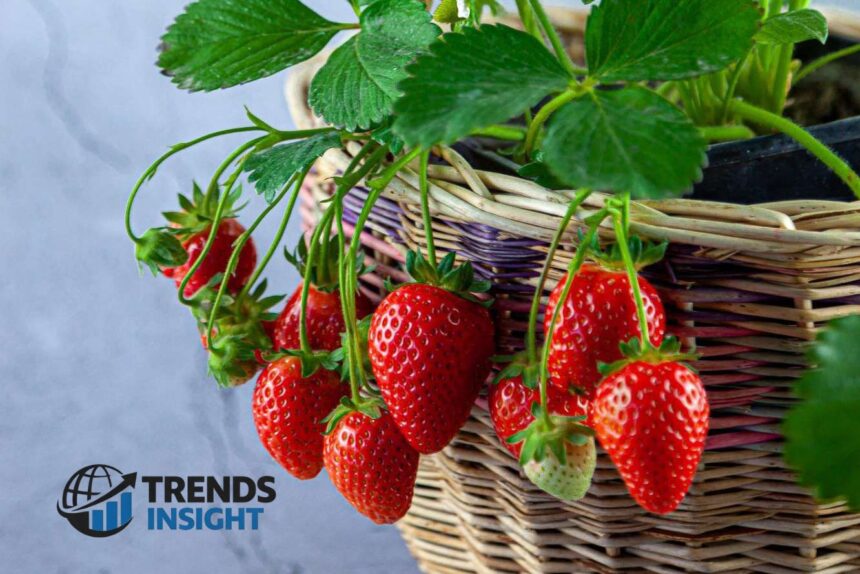
There’s nothing quite like popping a sun-warmed, perfectly ripe strawberry straight from the plant into your mouth. That burst of juicy sweetness beats anything you’ll find in a supermarket. Growing your own strawberries at home is easier than many people think, and it delivers far superior flavor, freshness, and satisfaction.
- BIO
- Why Growing Your Own Strawberries Is Worth It
- What Are Strawberries?
- Choosing the Right Strawberry Varieties for Your Garden
- How to Grow Strawberries – Step-by-Step Guide
- Essential Strawberry Care Tips for Healthy Plants
- Common Strawberry Growing Problems and How to Solve Them
- Advanced Tips to Grow Sweeter, Bigger Strawberries
- Harvesting and Enjoying Your Strawberries
- # Who Is Vicky Pattison? The Full Story of Geordie Shore’s Biggest Star
- FAQ Section
- How long does it take to grow strawberries from planting to harvest?
- Can you grow strawberries successfully in pots or small balconies?
- What is the best soil mix for growing strawberries?
- Why are my strawberry plants flowering but not producing fruit?
- How often should strawberry plants be watered?
- Do strawberries come back every year?
- Conclusion
Whether you have a backyard garden, raised beds, or just a sunny balcony, you can enjoy a generous harvest this season. This guide walks you through everything you need to know about how to grow strawberries successfully — from selecting the right varieties to caring for plants and harvesting sweet results.
BIO
| Aspect | Details |
|---|---|
| Plant Type | Perennial fruit |
| Difficulty Level | Beginner-friendly |
| Best Planting Season | Early spring or fall |
| Sunlight Requirement | 6–8 hours of direct sun daily |
| Ideal Soil pH | 5.5 – 6.8 (slightly acidic) |
| Spacing Between Plants | 12–18 inches apart |
| Watering Needs | 1 inch per week, consistent moisture |
| Average Yield | 1–2 pounds per plant per season |
| Time to First Harvest | 2–3 months for day-neutral varieties |
| Plant Lifespan | 3–5 productive years |
| Best For | Gardens, raised beds, pots & balconies |
| Popular Varieties | Albion, Seascape, Honeoye, Chandler |
| Main Challenges | Pests, birds, overwatering, poor drainage |
Why Growing Your Own Strawberries Is Worth It
Homegrown strawberries taste dramatically better because they ripen fully on the plant. Store-bought berries are often picked early for shipping, which sacrifices flavor and sweetness.
Beyond taste, you control what goes into your soil and onto your plants, making it simple to grow them organically. A single healthy plant can produce 1–2 pounds of fruit per season (sometimes more with good care), saving money over time. It’s also a wonderful activity for families — kids love watching flowers turn into berries they can pick themselves. Plus, strawberry plants improve soil health and attract beneficial pollinators.
What Are Strawberries?
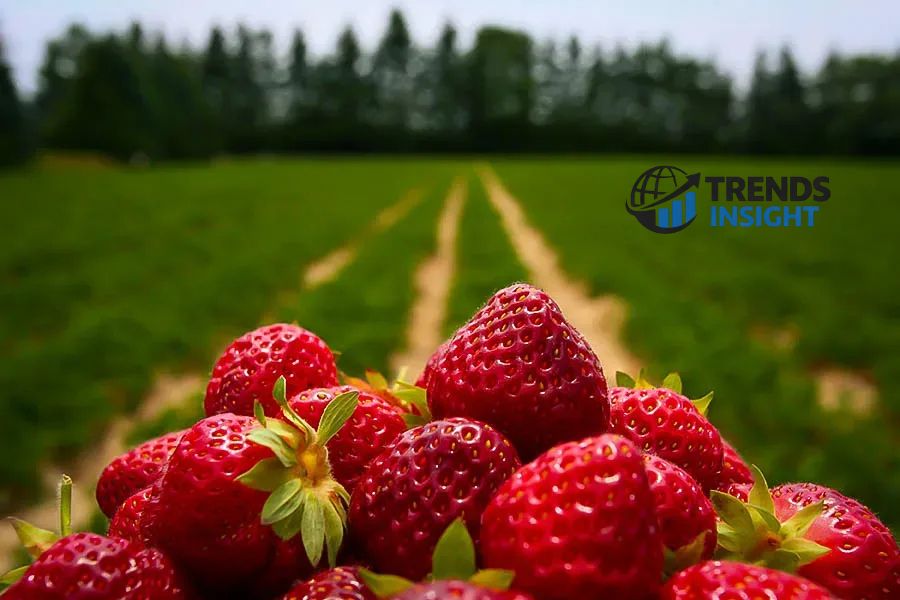
Strawberries (Fragaria × ananassa) are not true berries in the botanical sense. The red, fleshy part is actually an enlarged receptacle, while the “seeds” on the surface are tiny fruits called achenes. The modern garden strawberry is a hybrid developed in the 18th century from North and South American wild species. For more on their fascinating history and botany, see the Strawberry entry on Wikipedia.
Choosing the Right Strawberry Varieties for Your Garden
Success starts with picking varieties suited to your space and climate.
June-Bearing vs. Ever-Bearing vs. Day-Neutral Strawberries
- June-bearing strawberries produce one large crop in late spring or early summer. They offer the biggest berries and highest yields per harvest, making them ideal if you want enough for preserving or freezing. Popular choices include ‘Honeoye’, ‘Earliglow’, ‘Allstar’, and ‘Chandler’.
- Ever-bearing types give two to three smaller harvests per year — one in spring and another in late summer or fall.
- Day-neutral strawberries flower and fruit throughout the growing season as long as temperatures stay between 35–85°F (2–29°C). They perform well in containers and small spaces. Reliable options include ‘Albion’, ‘Seascape’, ‘San Andreas’, and ‘Tristar’.
For beginners and small spaces, start with day-neutral or ever-bearing varieties for a longer harvest window. Consider your local climate — some varieties handle heat or cold better. Check with nearby nurseries or extension services for top regional performers.
How to Grow Strawberries – Step-by-Step Guide
Selecting the Perfect Planting Location and Soil
Strawberries need at least 6–8 hours of direct sunlight daily for sweet, abundant fruit. Choose a spot with good air circulation to reduce disease risk.
They prefer slightly acidic soil with a pH of 5.5–6.8 and excellent drainage. Heavy clay or sandy soil should be amended generously with compost. Raised beds or containers work wonderfully if your ground soil isn’t ideal.
When and How to Plant Strawberries
Plant in early spring as soon as the soil can be worked, or in fall in milder climates. Bare-root plants are affordable and establish well; potted transplants give a quicker start.
- Dig holes wide enough for roots to spread.
- Set plants so the crown (where leaves meet roots) sits right at soil level — too deep causes rot, too high dries out roots.
- Space plants 12–18 inches apart in rows 3–4 feet apart for in-ground planting. In containers, use one plant per 6–8 inch pot or multiple in larger vessels.
Water thoroughly after planting and apply a layer of organic mulch (straw, pine needles, or shredded leaves) to retain moisture, suppress weeds, and keep berries clean.
Planting Methods: In-Ground Beds, Raised Beds, Containers, and Hanging Baskets
- In-ground or raised beds suit larger harvests.
- Containers and hanging baskets are perfect for patios or balconies. Use high-quality potting mix and ensure good drainage holes.
- Strawberry jars or towers can be fun but require more frequent watering.
Essential Strawberry Care Tips for Healthy Plants
Watering Schedule for Juicy Berries
Strawberries have shallow roots, so consistent moisture is key. Aim for about 1 inch of water per week, more during hot or dry spells. Water at the base to keep leaves dry and reduce fungal issues. Mulch helps maintain even soil moisture.
Feeding and Fertilizing Throughout the Season
Use a balanced, organic fertilizer or one formulated for fruiting plants. Apply lightly at planting, then again after the first harvest for June-bearers or monthly for day-neutrals. Avoid over-fertilizing, which can produce lots of leaves but few berries.
Mulching Techniques
Mulch is non-negotiable. It keeps soil cool, conserves water, and prevents berries from touching dirt and rotting. Refresh as needed during the season.
Managing Sunlight, Temperature, and Seasonal Protection
Protect early flowers from late frost with row covers if needed. In very hot areas, provide afternoon shade during peak summer. Day-neutral varieties especially appreciate cooler conditions for best flavor.
Common Strawberry Growing Problems and How to Solve Them
Even experienced gardeners face challenges. Here’s how to troubleshoot:
- Pests: Slugs, birds, aphids, and tarnished plant bugs are common. Use physical barriers (bird netting), beer traps for slugs, or neem oil for aphids. Companion planting with herbs like thyme or borage can help deter insects.
- Diseases: Powdery mildew, gray mold (botrytis), and root rot often stem from poor air flow or overwatering. Improve spacing, avoid wetting foliage, and remove affected parts promptly. Choose disease-resistant varieties to prevent issues.
- Yellow leaves or small berries: Often due to nutrient deficiency, underwatering, or poor soil. Test soil and adjust accordingly. Overcrowding from too many runners also reduces fruit size.
Catching problems early through regular inspection makes a big difference.
Advanced Tips to Grow Sweeter, Bigger Strawberries
- Pinch off the first flowers on new plants to direct energy into strong roots for bigger future harvests.
- Manage runners (those long stems with baby plants). For maximum fruit, remove most runners and let only a few form new plants. For ground cover, let them fill in.
- Encourage pollination by planting near flowers that attract bees.
- For sweeter berries, ensure full sun and avoid excess nitrogen, which boosts leaves over fruit.
- Try organic methods like compost tea or fish emulsion for gentle feeding.
With these techniques, you can extend your harvest and improve quality season after season.
Harvesting and Enjoying Your Strawberries
Pick berries when they’re fully red and fragrant — usually in the morning when cool. Twist gently or use scissors to avoid damaging the plant. Harvest every couple of days once production starts, as ripe fruit left on the plant can rot and invite pests.
Store fresh-picked strawberries in the fridge for a few days or freeze extras for smoothies and jams. They make wonderful additions to salads, desserts, or eaten plain with a touch of cream.
# Who Is Vicky Pattison? The Full Story of Geordie Shore’s Biggest Star
FAQ Section
How long does it take to grow strawberries from planting to harvest?
Most varieties produce ripe berries 4–6 weeks after flowering. From planting bare-root plants, expect your first harvest in 2–3 months for day-neutrals, or the following season for June-bearers.
Can you grow strawberries successfully in pots or small balconies?
Yes! Day-neutral varieties excel in containers. Choose pots at least 6–8 inches deep with excellent drainage and place them in full sun.
What is the best soil mix for growing strawberries?
A well-draining, slightly acidic mix rich in organic matter. For containers, use premium potting soil amended with compost. Avoid garden soil, which compacts easily.
Why are my strawberry plants flowering but not producing fruit?
Common causes include lack of pollinators, temperatures too high or low, or removing flowers too early. Ensure bee access and protect from extreme weather.
How often should strawberry plants be watered?
Keep soil consistently moist — usually 1–1.5 inches per week. Check daily in hot weather; containers dry out faster.
Do strawberries come back every year?
Yes, they are perennials. With proper care and renovation (thinning and mulching), plants can produce well for 3–5 years before needing replacement.
Conclusion
Learning how to grow strawberries opens the door to season after season of sweet, homegrown success. Focus on good soil, sunlight, consistent water, and the right variety for your space, and you’ll be rewarded with baskets of juicy berries.
Start small this season — even a few plants on a windowsill or patio can bring joy. With a bit of attention, you’ll soon be harvesting far more than you expected. Grab some plants, get your hands in the soil, and enjoy the sweetest reward of all: berries you grew yourself.